
PopupCamperGuy · Repair Guides
Which Lift System Does My Camper Have?
Browse repair guides
Start with what is actually fitted to the camper. Brand and year narrow the possibilities, but production changes and earlier repairs can make a chart misleading. A few well-chosen photographs usually provide better evidence than a badge alone.
1. Separate manual arms from crank systems
- Round external arms with folding elbows and sleeves: compare with HECO E-Z Up.
- Square external spring arms, hooks and removable pins: compare with the C&R spring-arm system.
- Older square aluminum manual arms: do not assume they are C&R. Some older Palomino/Vanguard campers have a different manual arrangement.
- Crank-driven equipment: trace the drive path using the table below.
2. Match the mechanism
Actual part photos from the catalog. Click a photo to enlarge it; its caption links to the part. Compare the full mechanism and model-specific details in the guide before choosing a replacement.
| Part photo | What you can identify | Guide to compare |
|---|---|---|
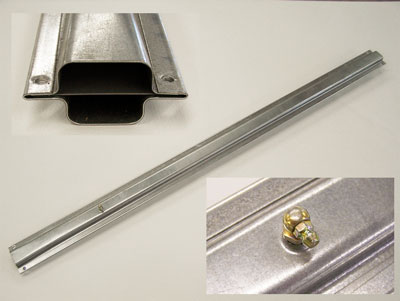 |
Single cable, central master tube and push springs | Goshen |
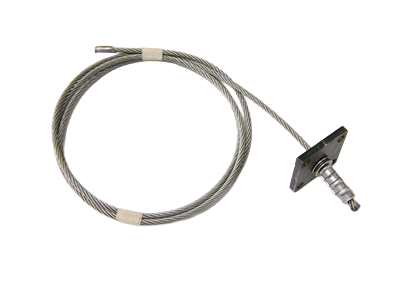 |
Distribution block with four corner cables, often inside cabinetry | L&W |
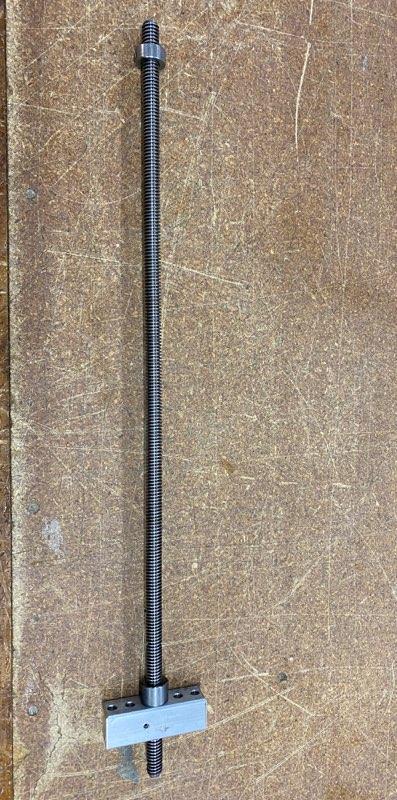 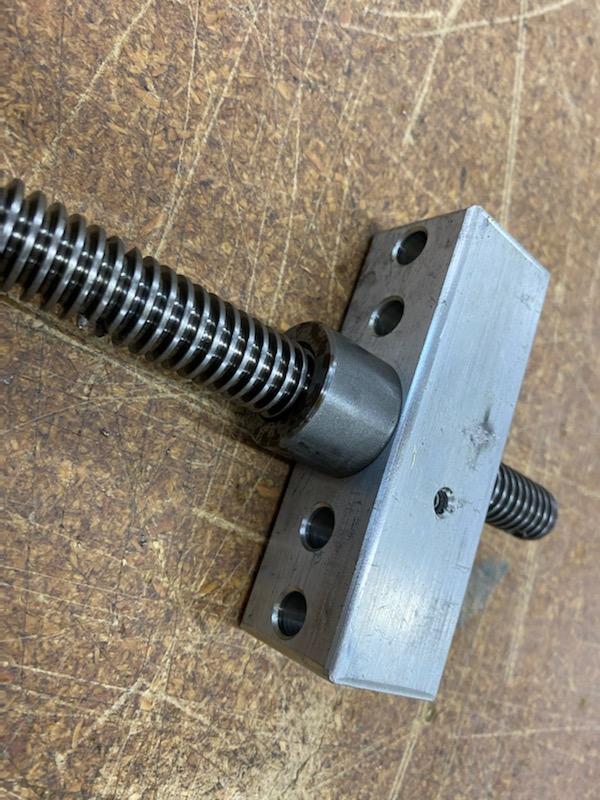 |
Screw-and-drawbar whiffletree on Coleman/Fleetwood | Coleman/Fleetwood |
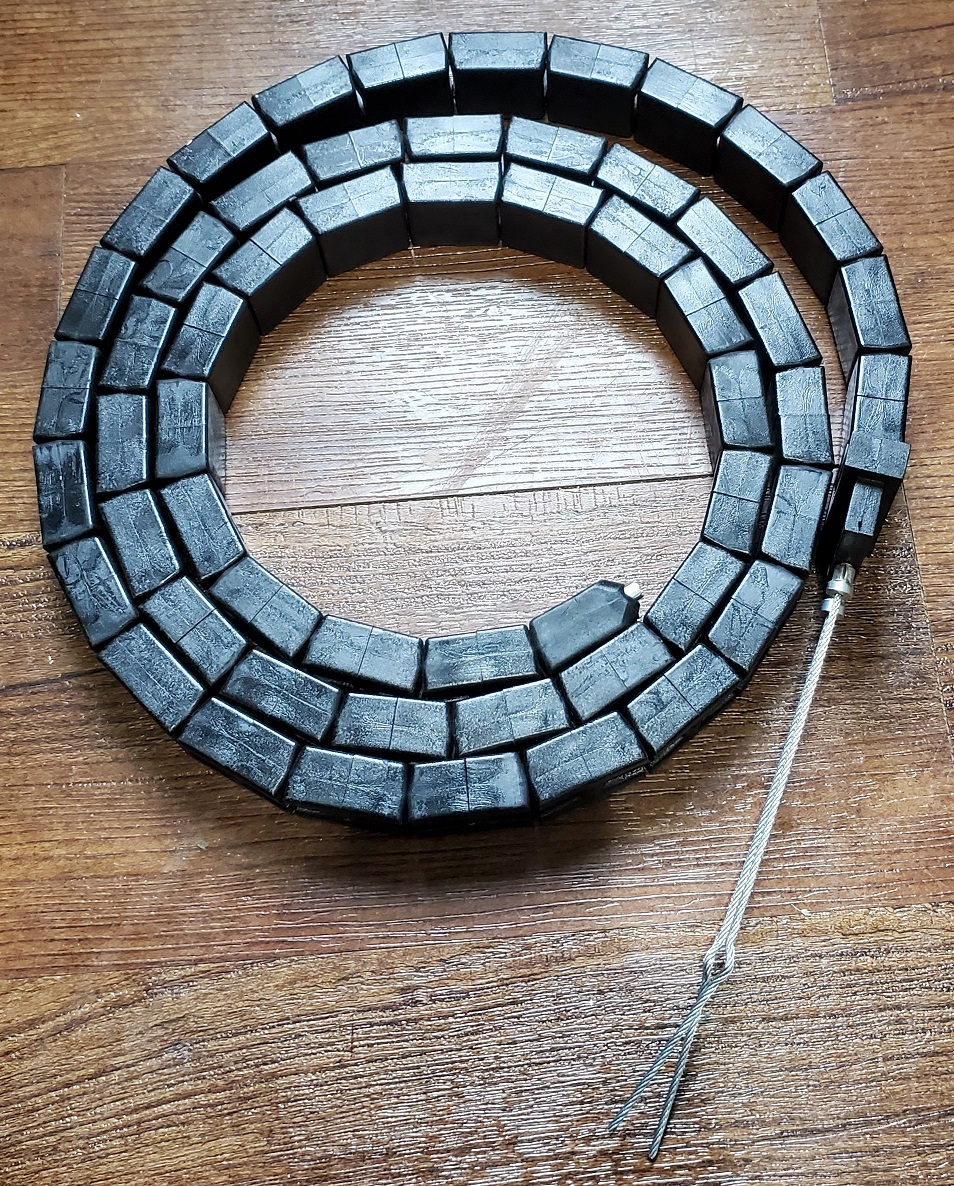 |
Front and rear gearboxes linked by a tube, with lifting chains | Apache |
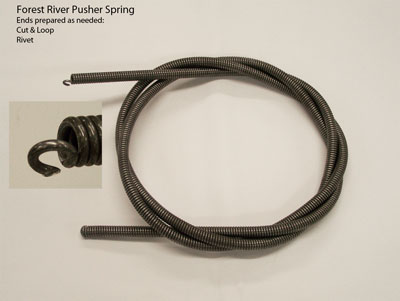 |
Older chain channels, sprockets and push-rod springs | Forest River chain & spring |
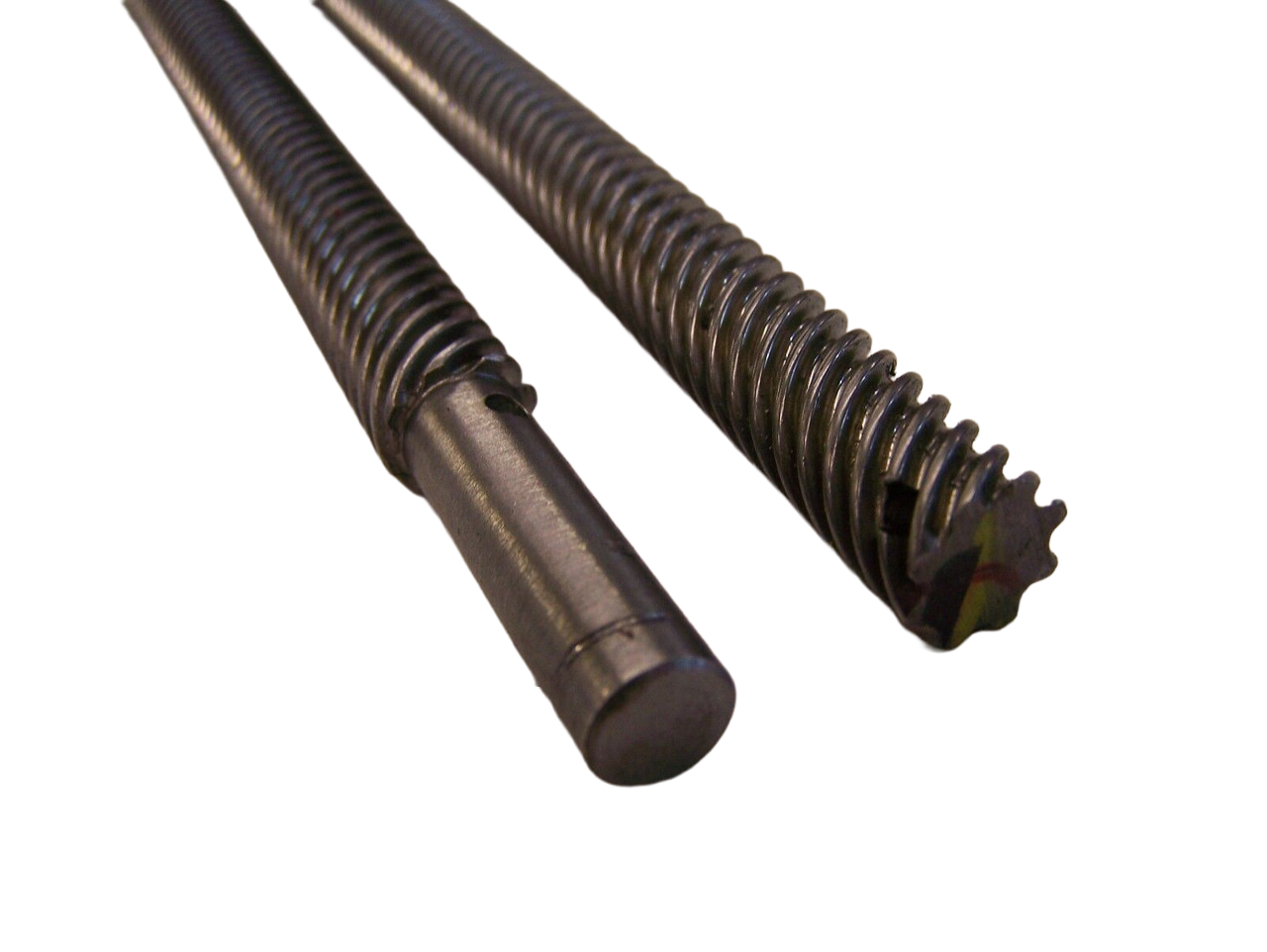 |
Lead-screw central drive rather than a Goshen cable drive | IDT |
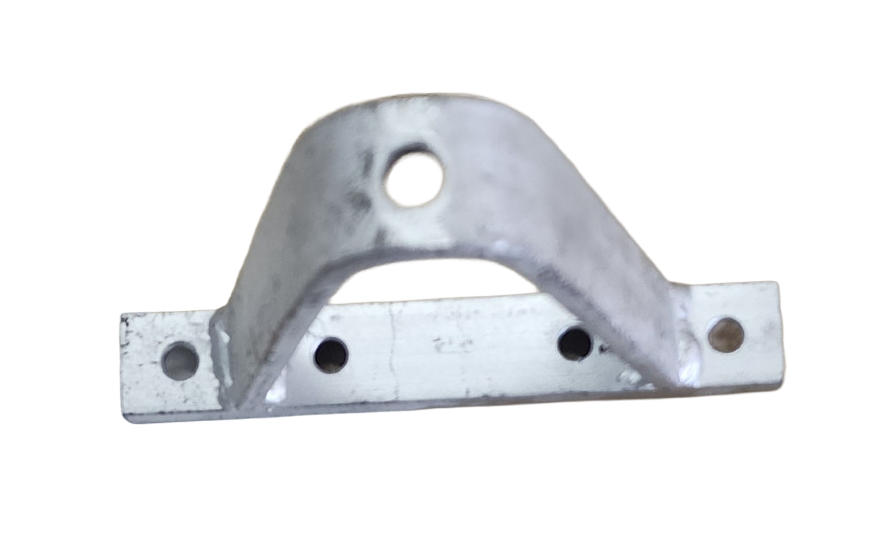 |
Starcraft tongue winch with one cable to a four-way yoke | Older Starcraft |
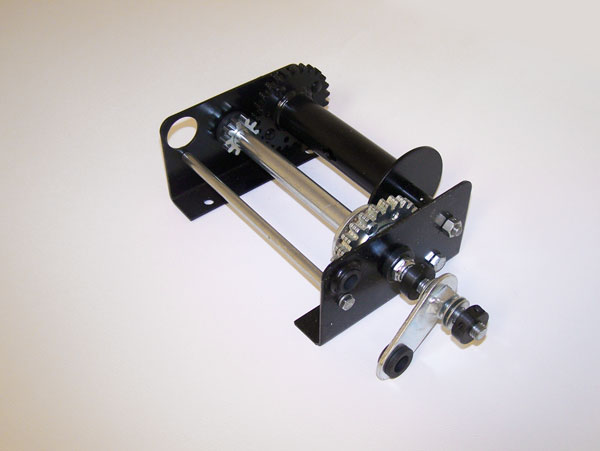 |
Starcraft winch with four cables and mechanical stops | Four-cable Starcraft |
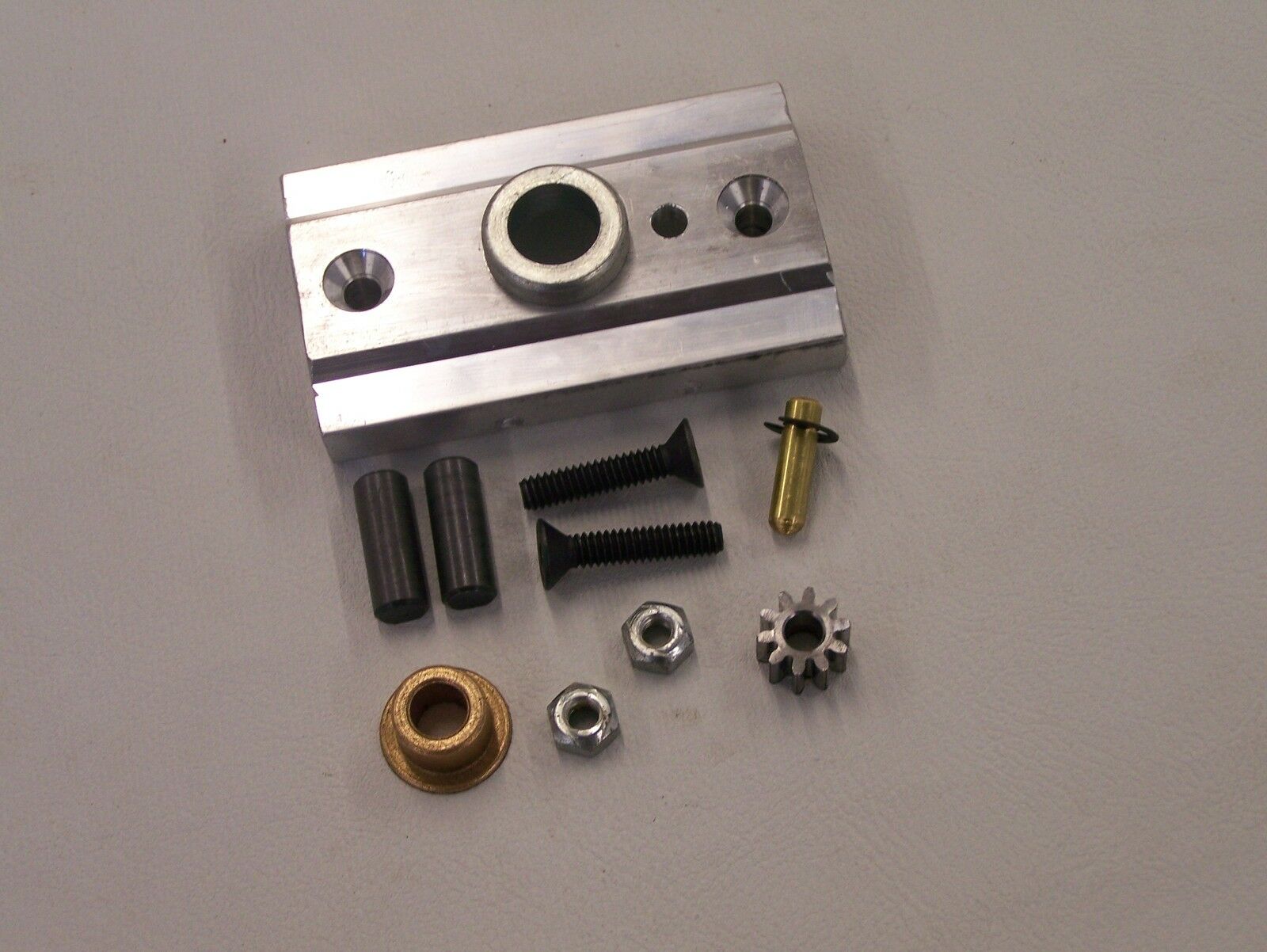 |
Crank-up truck-camper supports connected to a roof torsion bar | HECO/Harmony |
3. Use dates and location as supporting clues
Apache’s covered chain system spans 1971–1987. Starcraft’s 1983–1984 transition requires a cable count, not a guess. Coleman/Fleetwood hydraulic Powerlift equipment needs separate information from its conventional whiffletree drive.
A front winch does not by itself prove Goshen, and a rear winch does not rule it out: the manufacturer’s instructions expressly include rear-winch Dutchmen installations. An inside winch is a useful L&W clue, but trace the mechanism to confirm it.
4. Save an identification set
Collect the VIN or serial label, exact model, year, winch label, one full corner post and a wide view of the drive route. Take photographs only from safe access positions. Do not raise a failing roof or remove loaded hardware merely to identify it.
If two guides appear plausible, pause the parts decision. Resolve the mechanism and revision first, then use its model-specific instructions.